About GMM
Smart Steps
GMM can help you to reduce risk and feel peace of mind in your industrial workplace
GMM support reduces industrial workplace risk through proactive solutions, enhancing safety and efficiency for your complete peace of mind.
Free Consultation
Start smart. Get expert insights tailored to your needs, at no cost. Book your free consultation today.
Professional Team
GMM experts are ready to help. Rely on a skilled and dedicated team committed to your success and safety.
Reduce Risk
Minimize uncertainty and protect your operations. We implement proven strategies to effectively reduce risk in your industrial workplace.
20 Years of Experience
GMM with two decades of trusted expertise. Benefit from our long-standing history and deep understanding of industrial challenges and solutions.

GMM provides Smart Industrial Workplace systems leverage integrated technology and data to optimize industrial environments. Key services include real-time environmental monitoring, cloud-based data management, remote access and alerts, and various connectivity options. These capabilities deliver significant benefits, such as reduced risk of goods damage and equipment failure through proactive monitoring, enhanced staff wellness by ensuring healthier working conditions, improved operational efficiency and productivity from data-driven insights, and greater peace of mind knowing your workplace is intelligently monitored and protected.
Our Milestone
GMM Journey for the Past Years
GMM Technoworld is one of the pioneers in selling measuring instruments online since 2007 on various internet platforms. Our first online store https://www.testmeter.sg was launched in 2010. We are GeBiz Trading Partner. Search for us at GeBIZ Supplier Directory since 2012. And registered as BCA Registered Contractor (SY05, Electrical & Electronic Materials, Products & Components) in 2021.
In 2020, GMM Technoworld is bizSAFE Level 3 certified and completed ISO 9001 : 2015 certification in Aug 2021. In 2022, we joined the Singapore Green Building Council membership to promote green building solutions in Singapore. We are also IMDA Telecommunication Dealer’s (Individual) Licence (No.DB107977).


Our Team
Meet GMM Management Team

YK Yeo
Engineering

Suzie Tan
Business Development & Operation

Gavin Chua
Business Development

Eileen Ang
Operation
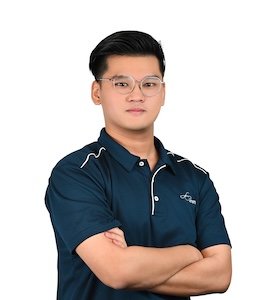
Kai Yao
Engineering Support

Samantha Liew
Sales Support
F.A.Q.
Frequently asked questions
What is a smart industrial workplace systems?
A smart industrial workplace system integrates advanced technologies like the Internet of Things (IoT), AI, automation, and data analytics to create a connected, intelligent, and optimized environment. These systems enable real-time monitoring, data-driven decision-making, predictive maintenance, and automated processes. The goal is to enhance efficiency, productivity, safety, and sustainability, while also improving the overall work experience for people within the industrial setting.
What smart functions are included?
The smart functions included in various industrial workplace systems primarily focus on environmental monitoring and data management. These include:
Real-time Monitoring: Continuous sensing of key environmental parameters like temperature, humidity, and air quality (e.g., PM2.5, CO2, TVOC).
Cloud-Based Data Logging: Automatic syncing and unlimited storage of environmental data on a secure cloud platform.
Remote Access & Monitoring: View real-time and historical data from anywhere via dedicated mobile apps or web consoles.
Instant Alerts & Notifications: Receive immediate alerts via app, email, SMS, or phone call if environmental parameters go outside predefined safe thresholds.
Data Analysis & Reporting: Access historical data, identify trends, and generate reports for better insights and management.
Connectivity Options: Support for various network connections, including WiFi and 4G, for reliable data transmission.
Integration Capabilities: Potential for integration with building management systems and other platforms for a more unified smart environment.
Real-time Monitoring: Continuous sensing of key environmental parameters like temperature, humidity, and air quality (e.g., PM2.5, CO2, TVOC).
Cloud-Based Data Logging: Automatic syncing and unlimited storage of environmental data on a secure cloud platform.
Remote Access & Monitoring: View real-time and historical data from anywhere via dedicated mobile apps or web consoles.
Instant Alerts & Notifications: Receive immediate alerts via app, email, SMS, or phone call if environmental parameters go outside predefined safe thresholds.
Data Analysis & Reporting: Access historical data, identify trends, and generate reports for better insights and management.
Connectivity Options: Support for various network connections, including WiFi and 4G, for reliable data transmission.
Integration Capabilities: Potential for integration with building management systems and other platforms for a more unified smart environment.
Where to download the Smart Industrial Workplace mobile app?
The smart industrial workplace systems they offer utilize specific mobile applications depending on the product line.
For their UbiBot smart IoT devices, which are featured for environmental monitoring in areas like warehouses, data centers, and other industrial settings, the relevant application is the UbiBot APP. The website mentions that this free app, along with a Web Console, allows users to access data and monitor their environment remotely. While direct download links weren’t immediately found on the pages viewed, mobile apps are typically available on the standard app stores.
For Kaiterra air quality monitoring solutions, the data can be accessed through the Kaiterra Dashboard and Live Air app. This app is specified for viewing real-time and historical air quality data.
Therefore, where to download the specific app depends on which smart monitoring system you have from Testmeter.sg (e.g., UbiBot or Kaiterra). You would typically find these apps on the Apple App Store for iOS devices and the Google Play Store for Android devices by searching for the app name (UbiBot or Kaiterra).
For their UbiBot smart IoT devices, which are featured for environmental monitoring in areas like warehouses, data centers, and other industrial settings, the relevant application is the UbiBot APP. The website mentions that this free app, along with a Web Console, allows users to access data and monitor their environment remotely. While direct download links weren’t immediately found on the pages viewed, mobile apps are typically available on the standard app stores.
For Kaiterra air quality monitoring solutions, the data can be accessed through the Kaiterra Dashboard and Live Air app. This app is specified for viewing real-time and historical air quality data.
Therefore, where to download the specific app depends on which smart monitoring system you have from Testmeter.sg (e.g., UbiBot or Kaiterra). You would typically find these apps on the Apple App Store for iOS devices and the Google Play Store for Android devices by searching for the app name (UbiBot or Kaiterra).
How to set remote access and control?
Setting up remote access and monitoring for the smart industrial workplace systems, such as the UbiBot and Kaiterra devices, generally involves a few key steps:
Device Setup: Initially configure the specific smart device according to its included manual. This usually involves powering it on and preparing it for network connection.
Network Connection: Connect the device to your local network, typically via WiFi or Ethernet, as supported by the device model. For some UbiBot devices, 4G connectivity is also an option.
App or Web Console Setup: Download the relevant mobile app (e.g., UbiBot App, Kaiterra Live Air app) on your smartphone or tablet, or access the designated web console through a web browser.
Device Pairing: Follow the instructions within the app or web console to pair your specific smart device with your account. This often involves scanning a QR code on the device or entering a serial number.
Configuration: Once connected, use the app or web console to configure monitoring parameters, set alert thresholds for various measurements (like temperature, humidity, or air quality), and set up notification preferences (app alerts, email, SMS, etc.).
Once these steps are completed, you should be able to remotely access the real-time data from your industrial workplace environment and receive alerts based on your configurations.
It’s important to note that while remote access and monitoring are core features, the extent of remote control capabilities (e.g., controlling equipment based on sensor readings) would depend on the specific device and system’s design and integration capabilities.
For detailed, step-by-step instructions tailored to your specific device model, it is always recommended to consult the product manual that came with the system or contact Testmeter.sg directly for support.
Device Setup: Initially configure the specific smart device according to its included manual. This usually involves powering it on and preparing it for network connection.
Network Connection: Connect the device to your local network, typically via WiFi or Ethernet, as supported by the device model. For some UbiBot devices, 4G connectivity is also an option.
App or Web Console Setup: Download the relevant mobile app (e.g., UbiBot App, Kaiterra Live Air app) on your smartphone or tablet, or access the designated web console through a web browser.
Device Pairing: Follow the instructions within the app or web console to pair your specific smart device with your account. This often involves scanning a QR code on the device or entering a serial number.
Configuration: Once connected, use the app or web console to configure monitoring parameters, set alert thresholds for various measurements (like temperature, humidity, or air quality), and set up notification preferences (app alerts, email, SMS, etc.).
Once these steps are completed, you should be able to remotely access the real-time data from your industrial workplace environment and receive alerts based on your configurations.
It’s important to note that while remote access and monitoring are core features, the extent of remote control capabilities (e.g., controlling equipment based on sensor readings) would depend on the specific device and system’s design and integration capabilities.
For detailed, step-by-step instructions tailored to your specific device model, it is always recommended to consult the product manual that came with the system or contact Testmeter.sg directly for support.
How the protection from goods damage or staff wellness works?
Smart industrial workplace systems contribute significantly to protecting goods and ensuring staff wellness through proactive environmental monitoring and timely alerts. Here’s how:
Protecting Goods from Damage: Many industrial goods, such as electronics, pharmaceuticals, food, and raw materials, are sensitive to environmental conditions like temperature and humidity. Fluctuations or extreme levels can lead to spoilage, degradation, corrosion, or other forms of damage, resulting in significant financial losses. Smart systems continuously monitor these parameters in storage areas, warehouses, or production zones. If conditions move outside safe thresholds, instant alerts are sent, allowing for immediate corrective action before damage occurs. Monitoring for water leaks also prevents potential damage to goods and infrastructure.
Ensuring Staff Wellness: The well-being and productivity of staff are directly impacted by their working environment. Poor air quality (due to pollutants, CO2, or VOCs), uncomfortable temperatures, or high humidity can lead to health issues, reduced concentration, fatigue, and increased absenteeism. Smart systems that monitor air quality and thermal comfort provide crucial data to identify problematic areas. Real-time alerts about poor air quality or extreme temperatures enable employers to take prompt measures like improving ventilation or adjusting climate control, creating a healthier and safer workspace. Proactive monitoring helps prevent “Sick Building Syndrome” and other long-term health issues associated with poor indoor environmental conditions.
In essence, these systems provide the necessary visibility and timely warnings to address environmental factors that can negatively impact both valuable goods and the health of your workforce, allowing for swift intervention and a more controlled and safer industrial environment.
Protecting Goods from Damage: Many industrial goods, such as electronics, pharmaceuticals, food, and raw materials, are sensitive to environmental conditions like temperature and humidity. Fluctuations or extreme levels can lead to spoilage, degradation, corrosion, or other forms of damage, resulting in significant financial losses. Smart systems continuously monitor these parameters in storage areas, warehouses, or production zones. If conditions move outside safe thresholds, instant alerts are sent, allowing for immediate corrective action before damage occurs. Monitoring for water leaks also prevents potential damage to goods and infrastructure.
Ensuring Staff Wellness: The well-being and productivity of staff are directly impacted by their working environment. Poor air quality (due to pollutants, CO2, or VOCs), uncomfortable temperatures, or high humidity can lead to health issues, reduced concentration, fatigue, and increased absenteeism. Smart systems that monitor air quality and thermal comfort provide crucial data to identify problematic areas. Real-time alerts about poor air quality or extreme temperatures enable employers to take prompt measures like improving ventilation or adjusting climate control, creating a healthier and safer workspace. Proactive monitoring helps prevent “Sick Building Syndrome” and other long-term health issues associated with poor indoor environmental conditions.
In essence, these systems provide the necessary visibility and timely warnings to address environmental factors that can negatively impact both valuable goods and the health of your workforce, allowing for swift intervention and a more controlled and safer industrial environment.